

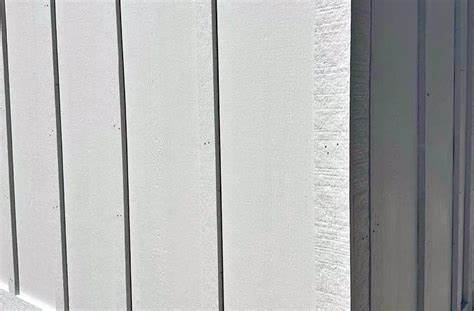
Embarking on the journey of stucco over siding, this guide aims to provide a detailed look at this innovative technique that transforms traditional siding. From the application process to the benefits, get ready to dive into the world of stucco over siding.
Introduction to Stucco Over Siding
Stucco over siding is a process where a layer of stucco, a plaster-like material, is applied over existing siding on a building’s exterior. This technique is often used to update the look of a home or building, as well as to provide additional protection and insulation.
Process of Applying Stucco Over Siding
Applying stucco over siding involves several steps. First, the existing siding needs to be thoroughly cleaned and repaired to ensure a smooth surface for the stucco application. Next, a layer of metal lath is typically installed to provide a secure base for the stucco.
Finally, the stucco mixture is applied in layers, with each layer allowed to dry and cure before the next one is added. The final result is a durable and attractive finish that can enhance the curb appeal of the building.
Benefits of Stucco Over Siding
- Enhanced Durability: Stucco is a long-lasting material that can withstand various weather conditions, making it a durable option for exterior finishes.
- Improved Insulation: Stucco provides an additional layer of insulation to the building, helping to regulate indoor temperatures and potentially reduce energy costs.
- Aesthetic Appeal: Stucco can give a modern and stylish look to the building, with a variety of textures and colors available to suit different design preferences.
- Low Maintenance: Stucco is relatively low maintenance compared to other siding options, requiring periodic cleaning and touch-ups to maintain its appearance.
Types of Siding Suitable for Stucco Application
When considering applying stucco over siding, it is crucial to choose a siding material that can support the weight and composition of stucco. Different siding materials have varying levels of compatibility with stucco and require specific preparation techniques to ensure a successful application.
Vinyl Siding
Vinyl siding is a popular choice for many homeowners due to its affordability and low maintenance. However, stucco application over vinyl siding can be challenging as the slick surface of vinyl does not provide a good bonding surface for stucco.
To improve adhesion, it is essential to roughen the surface of the vinyl siding through sanding or using a bonding agent before applying the stucco.
Fiber Cement Siding
Fiber cement siding is a durable and versatile option that can support stucco application well. The rough texture of fiber cement provides a good surface for stucco to adhere to, making it a suitable choice for stucco application. Before applying stucco, ensure that the fiber cement siding is clean and free of any contaminants that could affect adhesion.
Wood Siding
Wood siding can also be compatible with stucco application, but it requires proper preparation to prevent moisture-related issues. Make sure the wood siding is in good condition, free of rot or damage, and properly sealed to protect against water infiltration.
Applying a moisture barrier and lath system before stucco application can help mitigate potential moisture problems.
Brick or Stone Veneer Siding
Brick or stone veneer siding can be a great option for stucco application, as these materials provide a solid and sturdy base for stucco. The uneven surface of brick or stone veneer can enhance the bond between the siding and stucco.
Ensure that the veneer siding is structurally sound and properly installed before applying stucco for the best results.
Preparation and Installation Process
When preparing to apply stucco over siding, it is essential to follow a systematic process to ensure a successful and long-lasting finish. Here, we will discuss the steps involved in preparing the existing siding and the installation process of applying stucco over siding, along with tips for achieving a smooth and durable stucco finish.
Preparing the Existing Siding
- Inspect the siding for any damage, rot, or mold, and repair or replace any compromised areas.
- Clean the siding thoroughly to remove dirt, debris, and any loose paint or coatings that may affect the adhesion of the stucco.
- Apply a bonding agent or primer to help the stucco adhere to the siding surface more effectively.
- Install metal lath or wire mesh over the siding to provide a secure base for the stucco to adhere to.
Installation Process of Applying Stucco Over Siding
- Mix the stucco according to the manufacturer’s instructions, ensuring the right consistency for application.
- Apply the first coat of stucco evenly over the metal lath or wire mesh, using a trowel to create a smooth and level surface.
- Allow the first coat to cure before applying subsequent coats, following the recommended drying times between each layer.
- Finish the surface with a final coat of stucco, using different texturing techniques to achieve the desired look.
Tips for Ensuring a Smooth and Durable Stucco Finish Over Siding
- Ensure the siding is properly prepared and free of any contaminants that could affect the stucco adhesion.
- Work in small sections to ensure consistent application and avoid drying out the stucco before finishing.
- Protect the stucco from harsh weather conditions during the curing process to prevent cracking or damage.
- Regularly maintain and inspect the stucco finish to address any issues promptly and extend its lifespan.
Maintenance and Care of Stucco Over Siding
Proper maintenance is essential for ensuring the longevity and aesthetic appeal of stucco over siding. By following a regular maintenance routine, you can address common issues and prevent costly repairs.
Regular Cleaning
One of the most important aspects of maintaining stucco over siding is regular cleaning. Use a soft brush or a low-pressure washer to remove dirt, dust, and grime that can accumulate on the surface. Avoid using high-pressure washers, as they can damage the stucco finish.
Inspection for Cracks and Damage
Periodically inspect the stucco surface for any cracks, chips, or signs of damage. Promptly repair any issues to prevent water infiltration, which can lead to more extensive damage over time. Consult a professional if you notice significant cracks or damage.
Sealing and Repainting
Consider applying a fresh coat of sealant or paint to protect the stucco surface from the elements. This can help maintain the color and integrity of the finish, as well as provide an extra layer of protection against moisture and UV rays.
Mold and Mildew Prevention
To prevent mold and mildew growth on stucco over siding, ensure proper ventilation around the exterior walls. Trim back vegetation that may be blocking airflow and keep gutters clean to prevent water from pooling near the stucco surface.
Professional Maintenance
For more complex maintenance tasks or repairs, such as addressing structural issues or extensive damage, it’s best to consult a professional stucco contractor. They can provide expert advice and ensure that the stucco over siding is properly maintained and cared for.
Wrap-Up
Wrapping up our discussion on stucco over siding, we have explored the ins and outs of this method, highlighting its advantages and maintenance tips. Hopefully, this guide has shed light on how stucco over siding can be a game-changer for your home exterior.
FAQ
Is stucco over siding a durable option?
Yes, when applied correctly, stucco over siding can provide a long-lasting and durable finish. Proper installation and maintenance are key factors in ensuring its longevity.
Can any type of siding support stucco application?
While stucco can be applied over various siding materials, it is essential to assess the compatibility of each type to ensure a successful outcome. Consult with a professional for the best results.
How can I address common issues with stucco over siding?
Common issues like cracks or discoloration can be addressed by timely repairs and regular maintenance. It’s important to address any issues promptly to prevent them from escalating.

