

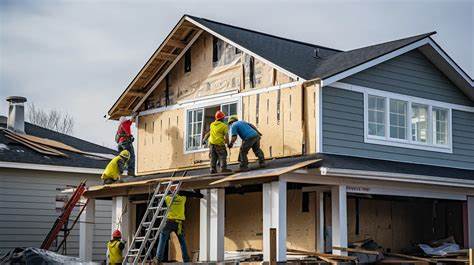
As siding construction takes center stage, this opening passage beckons readers into a world crafted with good knowledge, ensuring a reading experience that is both absorbing and distinctly original.
Siding construction is a crucial aspect of building structures, involving various materials to protect the building from elements. This guide delves into the importance, types of materials, installation process, design options, and maintenance practices related to siding construction.
Introduction to Siding Construction
Siding construction refers to the process of installing exterior cladding on a building to protect it from the elements and enhance its aesthetic appeal. It plays a crucial role in maintaining the structural integrity of a building by shielding it from moisture, wind, and other environmental factors.
Materials Used in Siding Construction
Various materials are used in siding construction, each with its own set of characteristics and benefits. Some common materials include:
- Vinyl: Lightweight, low maintenance, and cost-effective.
- Wood: Traditional, natural look, but requires regular maintenance.
- Fiber Cement: Durable, fire-resistant, and insect-proof.
- Metal: Modern, sleek appearance, and highly durable.
Role of Siding in Protecting the Building
Siding serves as the first line of defense against harsh weather conditions such as rain, snow, and UV rays. It prevents moisture from seeping into the walls, which can lead to mold growth, rot, and structural damage. Additionally, siding helps regulate the temperature inside the building by providing insulation.
Types of Siding Materials
Vinyl, wood, fiber cement, metal, and brick are some of the popular siding materials used in construction. Each material has its own unique characteristics in terms of durability, cost, and maintenance requirements.
Vinyl Siding
Vinyl siding is a popular choice due to its affordability and low maintenance. It is durable and comes in a variety of colors and styles. However, it may not be as durable as other materials and can crack or fade over time.
Wood Siding
Wood siding offers a classic and natural look to buildings. It is durable and can last for many years with proper maintenance. However, wood siding requires regular painting or staining to protect it from the elements, which can increase maintenance costs.
Fiber Cement Siding
Fiber cement siding is a versatile and durable option that can mimic the look of wood or stucco. It is resistant to rot, fire, and insects, making it a low-maintenance choice. However, it can be more expensive than vinyl or wood siding.
Metal Siding
Metal siding, such as aluminum or steel, is known for its durability and resistance to fire and pests. It is a low-maintenance option that can last for many years. However, metal siding can be prone to dents and scratches, especially in areas with severe weather conditions.
Brick Siding
Brick siding is a timeless and classic choice for buildings. It is extremely durable and offers excellent insulation properties. However, brick siding can be expensive to install and repair, making it a higher-cost option compared to other materials.
Siding Installation Process
When it comes to installing siding, proper preparation is key to ensuring a successful outcome. This involves gathering the necessary tools and equipment and understanding the step-by-step process of installation.
Preparing for Siding Installation
Prior to starting the installation process, it is important to inspect the exterior of the building for any damage or areas that may need repair. This includes checking for rot, mold, or any other issues that could affect the siding installation.
- Remove any existing siding, trim, or fixtures that may interfere with the new siding installation.
- Clean the surface and make any necessary repairs to ensure a smooth and even base for the new siding.
- Take accurate measurements of the area to determine the amount of siding material needed.
Tools and Equipment Required
Having the right tools and equipment is essential for a successful siding installation. Here are some of the common tools needed:
- Vinyl siding cutter or tin snips for cutting the siding to size.
- Level and chalk line for ensuring straight and even installation.
- Hammer or nail gun for fastening the siding to the wall.
- J-channel and utility trim for finishing edges and corners.
Installing Siding
The process of installing siding involves cutting, fitting, and fastening the siding material to the exterior of the building. Here are the basic steps involved:
- Start by installing the starter strip at the bottom of the wall to provide a secure base for the first row of siding.
- Cut the siding panels to the appropriate size using a vinyl siding cutter or tin snips.
- Fit the siding panels together, ensuring they are level and properly aligned.
- Fasten the siding to the wall using a hammer or nail gun, making sure to leave room for expansion and contraction.
- Finish the installation by adding J-channel and utility trim around windows, doors, and corners for a polished look.
Siding Design and Styles
When it comes to siding design, there are various options available to enhance the aesthetics of a building. The design of siding can greatly impact the overall look and feel of a structure, making it an important aspect of construction and renovation projects.
Horizontal Siding
Horizontal siding is one of the most common siding designs, known for its classic and traditional look. It can create a sense of width for a building and is suitable for various architectural styles, from modern to colonial.
Vertical Siding
Vertical siding offers a unique and contemporary aesthetic to a building. It can make a structure appear taller and more modern, perfect for homes with a sleek and minimalist design.
Shingle Siding
Shingle siding, also known as shake siding, provides a rustic and textured look to a building. It adds character and charm, often seen in cottages, cabins, or coastal homes for a cozy feel.
Board-and-Batten Siding
Board-and-batten siding consists of wide vertical boards with narrow strips (battens) covering the seams. This design gives a building a rustic and farmhouse appeal, ideal for a country or cottage-style architecture.
Maintenance and Repair of Siding
Proper maintenance and timely repairs are essential to prolonging the lifespan of your siding and keeping your home looking its best. By following some simple practices, you can avoid costly replacements and ensure the longevity of your siding.
Maintenance Practices for Siding
- Regularly clean your siding with a gentle detergent and water to remove dirt, mold, and mildew buildup.
- Inspect your siding for any signs of damage such as cracks, holes, or warping, and address them promptly.
- Trim any foliage or trees that may be touching or rubbing against your siding to prevent damage.
- Paint or seal your siding as needed to protect it from the elements and maintain its appearance.
Common Issues and Repair Solutions
- Cracks or Holes: Fill in cracks or holes with caulk or filler designed for your specific siding material.
- Rot or Decay: Replace any damaged or rotted siding boards to prevent further deterioration.
- Loose or Missing Pieces: Secure loose siding and replace any missing pieces to maintain the integrity of your siding.
- Mold or Mildew: Clean affected areas with a mixture of water and bleach to remove mold and mildew stains.
Importance of Regular Inspections
Undertaking regular inspections of your siding can help identify issues early on, preventing them from escalating into larger problems. By staying proactive and addressing any maintenance or repair needs promptly, you can extend the lifespan of your siding and keep your home looking beautiful for years to come.
Final Summary
In conclusion, siding construction plays a vital role in not just enhancing the aesthetics of a building but also ensuring its longevity and durability. By understanding the different materials, installation processes, and maintenance techniques, individuals can make informed decisions to protect and beautify their structures for years to come.
FAQs
What are the common materials used in siding construction?
Popular siding materials include vinyl, wood, fiber cement, metal, and brick.
How can siding design enhance the aesthetics of a building?
Choosing the right siding design can significantly impact the overall look and feel of a structure, enhancing its visual appeal and style.
What maintenance practices can prolong the lifespan of siding?
Regular cleaning, inspections for damage, and prompt repairs are key maintenance practices to ensure siding longevity.
What tools are required for siding construction?
Tools such as a saw, hammer, nails, and a level are commonly used for siding installation.

