

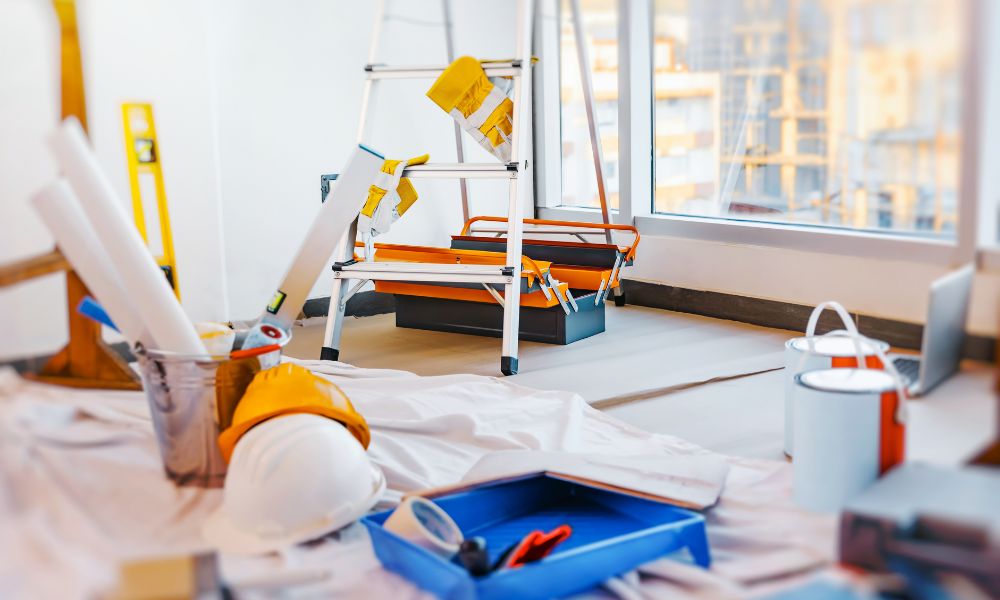
As quality home exteriors take the spotlight, this opening passage beckons readers into a world of expertise, ensuring an absorbing and original reading experience.
The following paragraphs delve into the intricacies of quality home exteriors, offering valuable insights and practical tips for homeowners and enthusiasts alike.
Importance of Quality Home Exteriors
Quality home exteriors play a crucial role in enhancing the overall value of a property and attracting potential buyers. They not only contribute to the aesthetic appeal but also offer protection against various elements.
Impact on Property Value
Well-maintained exteriors can significantly increase the value of a home. A visually appealing exterior creates a positive first impression on potential buyers, ultimately leading to higher property value.
Role of Curb Appeal
Curb appeal, which refers to the attractiveness of a property from the street, is heavily influenced by the quality of home exteriors. A beautifully designed exterior can captivate buyers and make them more inclined to explore the interior of the property.
Durability and Protection
Durable exteriors, such as high-quality siding and roofing, can safeguard a home from harsh weather conditions, moisture, and other external factors. This protection not only ensures the longevity of the property but also reduces maintenance costs in the long run.
Types of Materials for Quality Exteriors
When it comes to choosing materials for your home’s exterior, there are several options available, each with its own unique characteristics and considerations. Let’s compare and contrast different materials like vinyl, wood, brick, and stucco, focusing on maintenance requirements and cost considerations.
Vinyl
Vinyl siding is a popular choice for its durability and low maintenance. It is resistant to rot, moisture, and insects, making it a long-lasting option for many homeowners. However, over time, vinyl siding can fade or crack, requiring occasional replacement or repairs.
In terms of cost, vinyl siding is generally more affordable compared to other materials like wood or brick.
Wood
Wood siding offers a timeless and natural look to a home, adding warmth and character. However, wood requires regular maintenance, such as painting or staining, to protect it from rot, mold, and pests. The cost of wood siding can vary depending on the type of wood used, with cedar being a popular but more expensive option.
Brick
Brick siding is known for its durability, fire resistance, and low maintenance. It can last for decades without needing to be replaced, making it a sustainable choice for homeowners. While brick is a more costly option upfront, the long-term savings on maintenance and repairs can make it a worthwhile investment.
Stucco
Stucco is a versatile material that can be applied to various surfaces, creating a seamless and customizable look for a home. It is durable and low maintenance, requiring occasional cleaning to maintain its appearance. Stucco can be more expensive than vinyl or wood siding, but its longevity and design flexibility make it a popular choice for many homeowners.
Design Elements for Enhancing Home Exteriors
When it comes to enhancing the exterior of your home, design elements play a crucial role in creating a welcoming and visually appealing space. From landscaping to color choices and architectural details, each element contributes to the overall aesthetic of your home.Landscaping Ideas:Enhancing your home’s exterior begins with the landscaping surrounding it.
Consider incorporating elements such as flower beds, shrubs, trees, and even hardscaping features like pathways or retaining walls. These elements can help complement the architectural style of your home and add curb appeal.Choosing the Right Color Palette:Selecting the right color palette for your home’s exterior can make a significant impact on its overall look.
Consider the architectural style of your home, the surrounding environment, and your personal preferences when choosing colors for elements like siding, trim, doors, and shutters. A cohesive color scheme can tie the different components of your home’s exterior together beautifully.Importance of Architectural Details:Architectural details such as trim, moldings, and other embellishments can elevate the overall look of your home’s exterior.
These elements add depth, character, and visual interest to your home, making it stand out in the neighborhood. Pay attention to details like crown molding, window trim, and decorative accents to enhance the architectural style of your home.
Trim and Molding
Architectural trim and molding are essential elements that can enhance the exterior of your home. Consider adding crown molding to the eaves of your roof or decorative trim around windows and doors. These details can add a touch of elegance and sophistication to your home’s exterior, creating a timeless look that will impress visitors and passersby.
Energy Efficiency in Home Exteriors
Properly managing energy consumption within a home is crucial for both environmental sustainability and cost savings. The exterior of a house plays a significant role in energy efficiency, affecting factors such as insulation, windows, doors, and the overall design and materials used.
Proper Insulation for Improved Energy Efficiency
Insulation is a key component of energy efficiency in home exteriors. Proper insulation helps regulate indoor temperatures, reducing the load on heating and cooling systems. High-quality insulation materials such as fiberglass, foam, or cellulose can effectively prevent heat transfer, keeping the interior of the house comfortable throughout the year.
Impact of Windows and Doors on Energy Consumption
Windows and doors are common culprits for energy loss in a home. Poorly sealed windows and doors can result in drafts, leading to increased energy consumption for heating or cooling. Choosing energy-efficient windows with double or triple panes, low-E coatings, and insulated frames can significantly reduce heat transfer and improve energy efficiency.
Additionally, weather-stripping and proper sealing of doors can prevent air leakage, further enhancing energy conservation.
Innovative Technologies for Enhancing Energy Efficiency
Advancements in technology have led to the development of innovative materials and solutions for improving energy efficiency in home exteriors. For example, smart glass windows can adjust their tint based on sunlight exposure, reducing heat gain in the summer and maximizing natural light in the winter.
Solar panels integrated into roofing materials can harness renewable energy to power the home, reducing reliance on the grid. Additionally, the use of reflective roofing materials can help lower roof temperatures and decrease cooling costs during hot weather.
Final Thoughts
In conclusion, quality home exteriors are not just about aesthetics but also about functionality and value. This guide has shed light on various aspects to consider when enhancing the exterior of your home, ultimately creating a space that is both beautiful and resilient.
Question Bank
How do quality home exteriors impact property value?
Quality home exteriors can significantly increase property value by improving overall aesthetics and curb appeal, attracting potential buyers and enhancing the overall desirability of the property.
What are the best materials for quality home exteriors?
Materials such as vinyl, wood, brick, and stucco are popular choices for quality home exteriors. Each material has its own advantages and maintenance requirements, so it’s essential to choose based on your specific needs and preferences.
How can architectural details enhance home exteriors?
Architectural details like trim and moldings add character and sophistication to home exteriors, elevating the overall design aesthetic. They can make a significant impact on the visual appeal of a property.
What role does energy efficiency play in home exteriors?
Energy-efficient features in home exteriors, such as proper insulation and energy-efficient windows and doors, can help reduce energy consumption, lower utility bills, and create a more environmentally friendly living space.

