

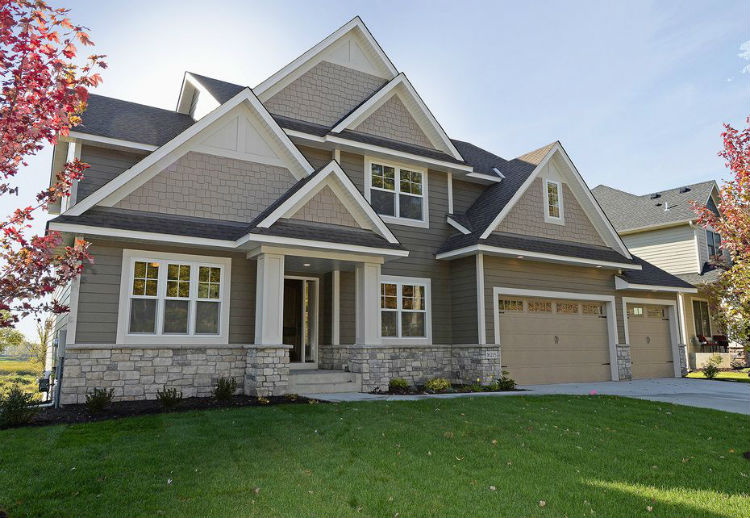
Step into the world of hardie siding houses where durability meets design, and maintenance is a breeze. This engaging introduction sets the stage for a journey through the realm of hardie siding, promising insights that will captivate and inform.
Delve into the realm of hardie siding houses, where style, sustainability, and savings converge in perfect harmony.
Benefits of Hardie Siding Houses
Hardie siding is known for its exceptional durability, making it a long-lasting option for homeowners. Unlike traditional siding materials, Hardie siding is resistant to rot, warping, and pests, ensuring that your home remains protected for years to come.
Durability of Hardie Siding
Hardie siding is made from fiber cement, a material that is incredibly durable and can withstand harsh weather conditions without deteriorating. This means that your home will maintain its curb appeal and structural integrity for an extended period, reducing the need for frequent repairs or replacements.
Low Maintenance Requirements
One of the key advantages of Hardie siding is its low maintenance requirements. Unlike wood siding that needs frequent painting and staining, Hardie siding comes pre-finished with a durable paint that can last for many years without fading. This saves homeowners time and money on maintenance costs in the long run.
Versatility in Design Options
Hardie siding offers homeowners a wide range of design options to choose from, allowing them to customize their home’s exterior to suit their personal style. Whether you prefer a traditional look or a modern aesthetic, Hardie siding can be tailored to meet your design preferences, enhancing the overall appearance of your home.
Cost-Effectiveness
While Hardie siding may have a higher upfront cost compared to other siding materials, its long-term durability and low maintenance requirements make it a cost-effective choice in the long run. With minimal upkeep and the need for fewer replacements, Hardie siding offers homeowners significant savings over time, making it a wise investment for any property.
Installation Process of Hardie Siding
When it comes to installing Hardie siding, proper preparation and attention to detail are key to ensuring a successful outcome. From gathering the necessary tools to following the correct steps, here is a detailed guide to help you navigate the installation process smoothly.
Preparing for Hardie Siding Installation
- Measure the area: Begin by accurately measuring the area where the Hardie siding will be installed to determine the amount of material needed.
- Clean the surface: Ensure that the surface where the siding will be attached is clean, dry, and free of any debris or old material.
- Inspect for damage: Check for any existing damage or rot on the exterior walls and repair as needed before proceeding with the installation.
Installing Hardie Siding
- Start with the trim: Begin by installing the trim pieces around windows, doors, and corners to provide a finished look and secure the edges.
- Position the first plank: Start at the bottom corner and work your way up, ensuring each plank is level and securely attached to the wall.
- Overlap correctly: Ensure that each plank overlaps the previous one according to the manufacturer’s recommendations to prevent water infiltration.
- Secure with nails: Use corrosion-resistant nails to secure the siding in place, following the nailing instructions provided by the manufacturer.
Tools Required for Hardie Siding Installation
- Hardie siding shears or circular saw
- Tape measure
- Level
- Hammer or nail gun
- Caulk gun
Tips for a Smooth Installation Process
- Follow manufacturer instructions: Always refer to the installation guidelines provided by James Hardie to ensure proper installation.
- Work in dry conditions: Avoid installing Hardie siding during wet or humid weather to prevent damage and ensure a secure attachment.
- Take your time: Rushing through the installation process can lead to mistakes, so take your time and focus on each step carefully.
Maintenance Tips for Hardie Siding Houses
Maintaining your Hardie siding is crucial to ensure its longevity and appearance. By following a recommended maintenance schedule and proper cleaning techniques, you can keep your siding looking great for years to come.
Recommended Maintenance Schedule
- Inspect your Hardie siding at least once a year to check for any signs of damage or wear.
- Touch up any chipped or cracked paint as soon as you notice it to prevent further damage.
- Clean your siding every 6 months to remove dirt, mold, and mildew buildup.
- Trim any trees or bushes near your siding to prevent scratches or damage.
Cleaning Techniques
- Use a soft brush or cloth with a mixture of water and mild detergent to clean your siding.
- Rinse thoroughly with water after cleaning to remove all soap residue.
- Avoid using high-pressure washers, as they can damage the surface of your siding.
- For tough stains, use a gentle cleaning solution recommended by the manufacturer.
Inspecting and Identifying Damage
- Look for signs of moisture damage, such as swelling or warping of the siding.
- Check for any cracks, chips, or peeling paint that may indicate the need for repairs.
- Inspect the caulking and seals around windows and doors to ensure they are intact.
- Address any damage promptly to prevent it from spreading and causing more extensive repairs.
Tips for Extending Lifespan
- Apply a fresh coat of paint every 5-7 years to protect your siding from the elements.
- Use mildew-resistant paint to prevent mold and mildew growth on your siding.
- Keep gutters clean to prevent water from overflowing and damaging your siding.
- Avoid using abrasive cleaners or tools that can scratch the surface of your siding.
Environmental Impact of Hardie Siding
Hardie siding is known for its eco-friendly aspects that make it a popular choice for environmentally conscious homeowners.
Eco-Friendly Aspects of Hardie Siding
- Hardie siding is made from sustainable materials such as cement, sand, and cellulose fibers, reducing the impact on the environment compared to traditional vinyl or wood siding.
- It is non-toxic and does not release harmful chemicals into the environment, ensuring a healthy living space for homeowners.
Energy Efficiency Contribution
- Hardie siding is highly durable and provides excellent insulation, helping to regulate the temperature inside homes and reduce energy consumption for heating and cooling.
- By improving the thermal performance of homes, Hardie siding contributes to overall energy efficiency and lower utility bills.
Sustainability of Materials
- The materials used in Hardie siding are sourced responsibly, with a focus on sustainability and minimizing environmental impact during the manufacturing process.
- Hardie siding products are designed to last for decades, reducing the need for frequent replacements and further decreasing waste accumulation.
Comparison with Other Siding Options
- Compared to other siding options like vinyl or aluminum, Hardie siding has a longer lifespan and requires less maintenance, resulting in lower environmental impact over time.
- Hardie siding is also recyclable at the end of its life cycle, making it a more sustainable choice for homeowners looking to reduce their carbon footprint.
Outcome Summary
As we conclude our exploration of hardie siding houses, the allure of durability, versatility, and eco-friendliness lingers. Let the charm of hardie siding inspire your next home improvement project.
FAQ
How long does Hardie siding typically last?
Hardie siding is known for its durability and can last up to 50 years with proper maintenance.
Is Hardie siding resistant to pests and rot?
Yes, Hardie siding is resistant to pests, rot, and fire, making it a reliable choice for homeowners.
Can Hardie siding be painted?
Yes, Hardie siding can be painted to refresh its look or change the color scheme of your home.
How does Hardie siding contribute to energy efficiency?
Hardie siding provides insulation that helps regulate indoor temperatures, reducing energy consumption.
Is Hardie siding environmentally friendly?
Hardie siding is made from sustainable materials and is eco-friendly, making it a green choice for homeowners.

