

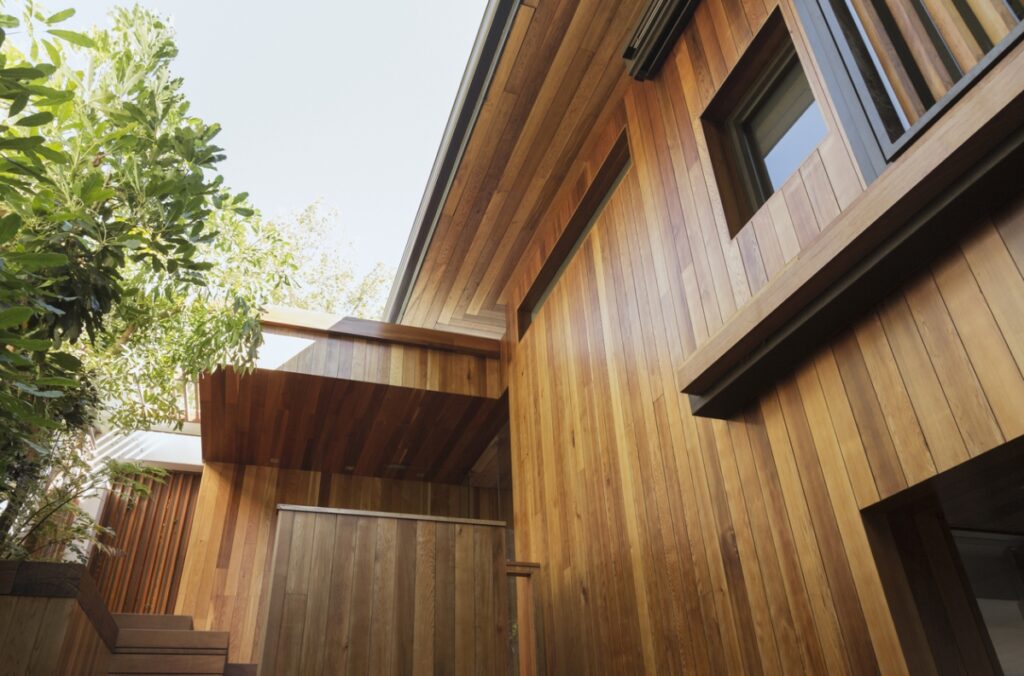
Step into the world of custom siding where your home’s exterior transforms into a masterpiece of individuality and style. Discover the art of custom siding with its unique design options and benefits that set it apart from standard choices.
Explore the different materials that can elevate your home’s appearance and create a lasting impression.
Overview of Custom Siding
Custom siding refers to the process of designing and installing exterior cladding that is uniquely tailored to the specific needs and preferences of a homeowner. Unlike standard siding options that come in predetermined sizes, colors, and materials, custom siding allows for a more personalized and individualized approach to enhancing the aesthetic appeal and functionality of a home.One of the key benefits of choosing custom siding is the ability to create a one-of-a-kind look that reflects the homeowner’s style and complements the overall design of the property.
Custom siding can also improve the energy efficiency of a home by providing better insulation and protection against the elements.There are several types of materials commonly used for custom siding, each with its own unique characteristics and advantages. Some of the most popular options include:
Types of Materials Used for Custom Siding
- Vinyl: A versatile and cost-effective option that is available in a wide range of colors and styles. Vinyl siding is durable, low-maintenance, and resistant to rot and insects.
- Fiber Cement: Made from a mixture of cement, sand, and cellulose fibers, fiber cement siding is highly durable, fire-resistant, and can mimic the look of wood or stucco.
- Wood: A traditional and natural choice for custom siding, wood siding offers a classic aesthetic appeal and can be stained or painted in various colors. However, wood siding requires regular maintenance to prevent rot and decay.
- Aluminum: Lightweight, durable, and resistant to rust, aluminum siding is a popular choice for custom siding projects. It is available in a variety of colors and finishes, making it a versatile option for modern homes.
- Composite: Combining the benefits of different materials, composite siding offers the look of wood with the durability of engineered materials. It is available in various textures and colors, providing homeowners with a customizable and long-lasting siding solution.
Design Considerations
When designing custom siding for a building, there are several factors to consider to ensure a successful and visually appealing outcome. From material choice to color selection, each decision plays a crucial role in the overall design.
Material Selection
One of the most important design considerations for custom siding is the choice of material. Different materials offer varying levels of durability, maintenance requirements, and aesthetic appeal. Common options include vinyl, wood, fiber cement, and metal. Each material has its own unique characteristics that can impact the overall look and feel of the building.
Color and Texture
The color and texture of the siding can greatly influence the overall appearance of a property. Neutral tones like grey, beige, and white are popular choices for a timeless and versatile look. However, bold colors like navy blue, forest green, or even red can add a pop of personality to a building.
Additionally, considering the texture of the siding, whether smooth, rough, or embossed, can also impact the visual appeal.
Architectural Style
The architectural style of the building should be taken into account when designing custom siding. For example, a modern home may benefit from sleek and minimalistic siding options like metal or smooth fiber cement panels, while a traditional farmhouse might look best with rustic wood siding.
Ensuring that the siding complements the existing architecture can enhance the overall aesthetic appeal of the property.
Accent Features
Incorporating accent features like trim, shutters, or decorative elements can elevate the design of custom siding. These additional details can create visual interest and add depth to the facade of the building. Mixing and matching different materials or colors for these accent features can create a dynamic and eye-catching look.
Installation Process
Installing custom siding is a crucial step in enhancing the appearance and durability of your home. It involves specific steps, tools, and materials to ensure a successful outcome. Whether you choose to hire a professional or opt for a DIY approach, understanding the installation process is essential.
Steps Involved in Installing Custom Siding
- Prepare the surface: Ensure the surface is clean, smooth, and free of any debris before installing the siding.
- Measure and cut the siding: Accurately measure the dimensions of the walls and cut the siding panels accordingly.
- Install the starter strip: Begin by installing the starter strip at the bottom of the wall to provide a base for the siding panels.
- Attach the siding panels: Secure the siding panels to the wall using nails or screws, following the manufacturer’s guidelines.
- Finish the edges: Complete the installation by adding trim pieces to the corners and edges for a polished look.
Tools and Materials Required for a Custom Siding Installation
- Tools: Hammer, tape measure, circular saw, level, chalk line, utility knife, and caulking gun.
- Materials: Siding panels, starter strip, trim pieces, nails or screws, caulking, and paint (if necessary).
Importance of Professional Installation versus DIY Options
Professional installation ensures expertise, precision, and warranty coverage for the siding, while DIY options offer cost savings and a sense of accomplishment for homeowners.
Maintenance and Care
Regular maintenance is essential to ensure the longevity and appearance of custom siding. By following some simple care tips, you can keep your siding looking great for years to come.
Cleaning and Inspection
- Regularly clean the siding with a mixture of mild soap and water to remove dirt and grime.
- Inspect the siding for any signs of damage, such as cracks, holes, or warping, and address them promptly.
- Trim any overgrown vegetation near the siding to prevent moisture buildup and potential damage.
Protection and Preservation
- Apply a protective sealant or paint to the siding every few years to maintain its color and protect it from the elements.
- Avoid using harsh chemicals or abrasive tools when cleaning the siding to prevent damage to the surface.
- Consider installing gutters and downspouts to divert water away from the siding and prevent water damage.
Common Issues and Solutions
- Rotting:If you notice any signs of rot on your siding, replace the affected panels immediately to prevent further damage.
- Color Fading:To restore the color of faded siding, consider repainting or applying a color-restoration product.
- Mold and Mildew:Clean mold and mildew with a mixture of water and vinegar or a commercial cleaner specifically designed for siding.
Final Review
In conclusion, custom siding offers a personalized touch to your property, enhancing its curb appeal and overall value. Embrace the beauty of customized exteriors and make a statement with your home’s unique look.
Essential Questionnaire
What are the benefits of custom siding over standard options?
Custom siding allows for personalized design choices, unique materials, and a distinct look that sets your home apart from others.
What factors should be considered when designing custom siding?
Consider the architectural style of your home, the climate in your area, and your budget when designing custom siding.
How can I prolong the lifespan of my custom siding?
Regular cleaning, inspections for damage, and prompt repairs can help extend the lifespan of your custom siding.

