

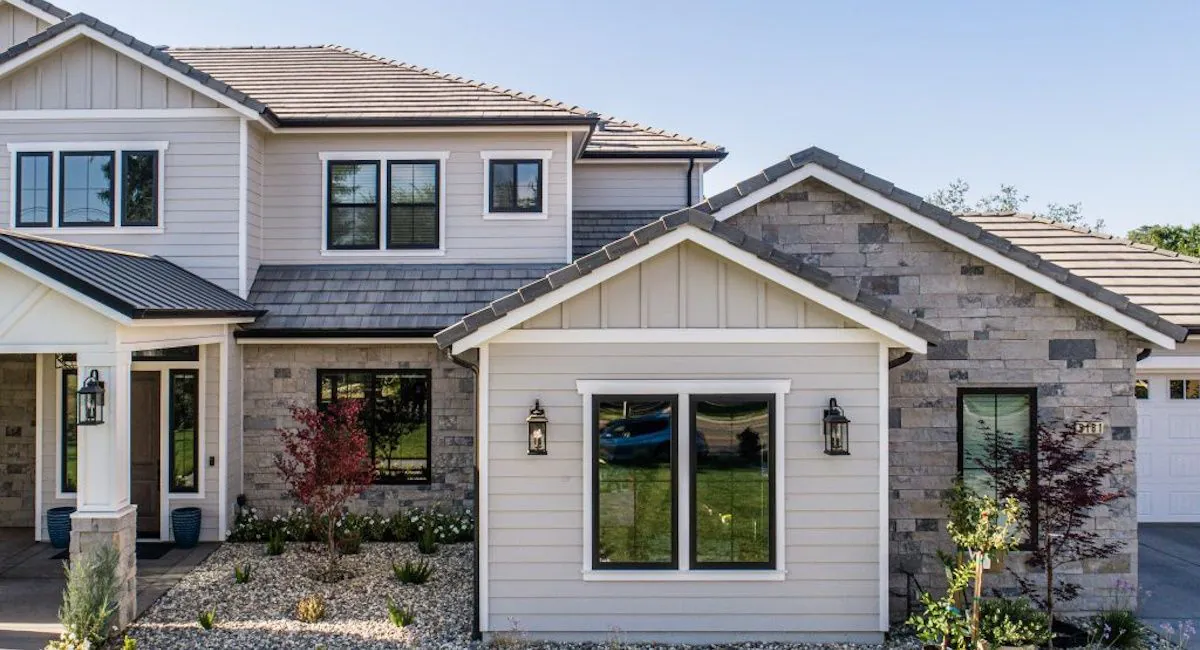

Embark on a journey through the realm of roofing siding, where the foundation of a home’s beauty and protection is laid. This article delves into the importance of quality roofing and siding, the variety of materials available, siding options, installation processes, and much more.
Join us as we unravel the fascinating world of roofing and siding.
Importance of Roofing and Siding
Roofing and siding play a crucial role in the overall structure and appearance of a building, as well as in providing protection from environmental elements.
Aesthetics of a Building
Quality roofing and siding contribute significantly to the aesthetics of a building, enhancing its curb appeal and overall appearance. The choice of materials, colors, and textures can greatly impact the visual appeal of a structure.
Protection from Environmental Elements
Roofing and siding act as the first line of defense against harsh weather conditions such as rain, wind, snow, and sunlight. They help in preventing water infiltration, heat loss, and damage from UV rays, thus ensuring the longevity and durability of the building.
Types of Roofing Materials
When it comes to roofing materials, there are several options available, each with its own set of characteristics and considerations to keep in mind. Let’s take a closer look at some of the most common types of roofing materials used in construction.
Asphalt Shingles
Asphalt shingles are one of the most popular choices for roofing material due to their affordability and ease of installation. They come in a variety of colors and styles, making them versatile for different architectural designs. However, asphalt shingles have a moderate lifespan of around 15-30 years and may require regular maintenance to prevent issues like cracking and algae growth.
Metal Roofing
Metal roofing is known for its durability and longevity, with some materials lasting up to 50 years or more. While metal roofs can be more expensive upfront, they require minimal maintenance and are resistant to fire, rot, and insect damage.
Metal roofs are also lightweight, making them a suitable option for a wide range of climates.
Tile Roofing
Tile roofing, commonly made from materials such as clay or concrete, offers a unique aesthetic appeal and can last for 50 years or more with proper care. However, tile roofs are heavier than other materials, requiring additional support in the roofing structure.
They are also more costly to install and repair compared to asphalt shingles or metal roofing.
Wood Shingles or Shakes
Wood shingles or shakes provide a rustic and natural look to a home, but they require regular maintenance to prevent issues like rot, mold, and insect infestations. While wood roofing can last for 20-30 years, it is more susceptible to fire damage and may not be suitable for all climates.
Additionally, wood roofing materials can be more expensive than asphalt shingles but less costly than metal or tile roofing options.
Siding Options and Considerations
When it comes to siding options, homeowners have several choices to consider based on their preferences, budget, and climate conditions. Each siding material offers unique benefits and aesthetic appeal, making it essential to understand the different options available.Vinyl Siding:Vinyl siding is a popular choice due to its affordability, low maintenance requirements, and versatility in design.
It comes in a wide range of colors and styles, making it easy to find the perfect fit for any home. Additionally, vinyl siding is durable and resistant to rotting, making it an excellent option for areas with high humidity or moisture.Wood Siding:Wood siding provides a classic and natural look to homes, adding warmth and character.
While wood siding requires more maintenance compared to other materials, it can be stained or painted in various colors to suit different architectural styles. However, it is essential to consider the susceptibility of wood to rot, pests, and weather damage, especially in humid climates.Fiber Cement Siding:Fiber cement siding offers the look of wood without the high maintenance requirements.
It is durable, fire-resistant, and resistant to pests and rot. Fiber cement siding is available in a wide range of colors and textures, allowing homeowners to achieve a custom look for their homes. It is an excellent option for areas with extreme weather conditions.Stucco:Stucco siding provides a unique and textured appearance to homes, adding a rustic charm.
It is durable, fire-resistant, and energy-efficient, making it a popular choice for homeowners looking for a low-maintenance option. Stucco can withstand harsh weather conditions but may require occasional repairs to maintain its appearance.Considerations for Choosing the Right Siding:
Climate
Consider the climate conditions in your area and choose a siding material that can withstand temperature fluctuations, moisture, and other weather elements.
Maintenance
Evaluate the maintenance requirements of each siding material and choose one that aligns with your schedule and budget.
Aesthetic Appeal
Consider the architectural style of your home and choose a siding material that complements the overall design aesthetic.
Budget
Determine your budget for siding installation and maintenance, keeping in mind the long-term costs associated with each material.Overall, selecting the right siding material involves weighing the pros and cons of each option based on your specific needs and preferences. Consult with a professional contractor to assess your home’s requirements and make an informed decision on the most suitable siding material for your property.
Roofing and Siding Installation Process
Installing a new roof and siding is a crucial part of maintaining a home’s structure and aesthetics. The installation process involves several key steps to ensure the job is done correctly and efficiently.
Roofing Installation Process
When installing a new roof, the following steps are typically involved:
- Preparation: This includes removing the old roof, inspecting the decking for any damage, and preparing the surface for the new roofing materials.
- Underlayment: Installing a waterproof underlayment on the decking to provide an extra layer of protection against water infiltration.
- Shingle Installation: Finally, the shingles are installed in an overlapping pattern to create a watertight barrier and enhance the appearance of the roof.
Siding Installation Process
Installing siding on a structure involves the following steps:
- Insulation: Adding insulation under the siding to improve energy efficiency and protect the interior of the home from extreme temperatures.
- Finishing: Once the siding panels are installed, finishing touches such as corner pieces, trim, and caulking are added to ensure a polished look and enhance durability.
Common Challenges and Solutions
- Weather Delays: Inclement weather can disrupt the installation process. Scheduling flexibility and proper planning can help mitigate delays.
- Improper Installation: Hiring experienced professionals and ensuring proper supervision can prevent mistakes during installation.
- Mismatched Materials: Careful selection and verification of materials before installation can avoid issues with color or texture discrepancies.
Closing Summary
As we wrap up our exploration of roofing siding, it becomes clear that these elements are not just functional but also integral to the overall appeal and resilience of a structure. From choosing the right materials to navigating installation challenges, the world of roofing siding is a dynamic landscape that shapes the very essence of our homes.
FAQ Section
What are the key factors to consider when choosing roofing materials?
When selecting roofing materials, factors such as durability, maintenance requirements, cost, and aesthetic appeal should be taken into account.
How do I choose the right siding option for my home’s climate?
Consider the climate of your region and choose a siding material that offers the best protection against weather conditions prevalent in that area.
What are some common challenges during roofing installation?
Common challenges include weather delays, finding skilled labor, and ensuring proper insulation and ventilation during the installation process.

